
















Lithuania’s government is proposing to ban fur farming from 2027, following a long campaign by animal rights groups. Farmers themselves resist the ban, while opposing politicians call the proposal ‘anti-business’.
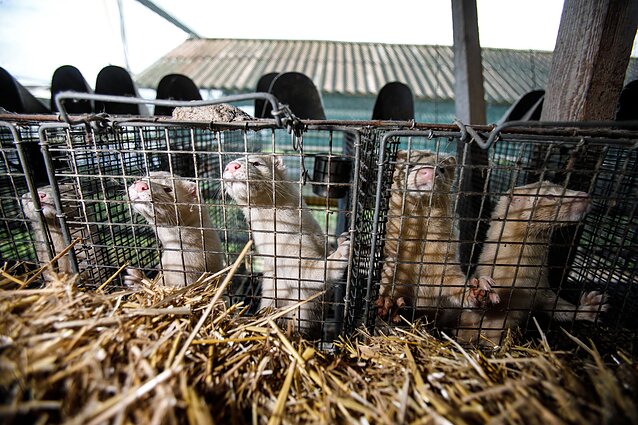
Perla is a mink rescued by animal rights activists from a fur farm. The animal can bask in the sun whenever it wants, roll around on the ground and, most importantly, it can swim in water, something that is not possible in mink farms.
So far, only a small number of mink have been rescued from fur farms. But from 2027, this will probably no longer be necessary – the government is proposing to ban fur farming altogether. To sweeten the deal, it offers a transition period and a fund to help with transition costs.
“The proposal is to make one million euros available and a long transition period to allow businesses to prepare and set up other activities,” said Agriculture Minister Kęstutis Navickas.

The government’s proposal will still be considered by the parliament, which has previously accepted the bill for consideration.
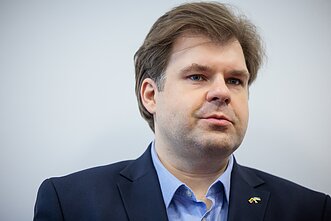
There is quite a battle ahead in the parliament, however. Viktoras Pranckietis, liberal MP and chairman of the Rural Affairs Committee, has expressed opposition to the ban, saying it is anti-business.
“These documents seek to destroy business in Lithuania, but will achieve nothing,” said Pranckietis, suggesting that fur farming will persist as long as there is demand for pelts.

Fur farmers say it is not entirely clear why their business should be banned. According to Česlovas Tallat-Kelpša, president of the Association of Livestock Breeders, over a thousand jobs will be lost.
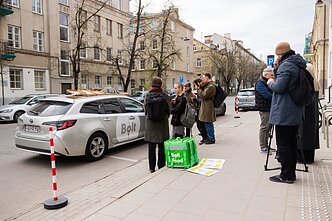
The animal rights organisation Tušti Narvai (Empty Cages) has been fighting for several years to have fur farming banned.
“This is an extremely cruel treatment of animals for the sake of decoration, for the sake of trinkets, ornaments, pendants and other nonsense. Animals are tortured, abused, brutally murdered,” says the organisations leader Gabrielė Vaitkevičiūtė.
Europeans have collected one 1.7 million signatures in favour of banning fur farms in the European Union. More than 53,000 signatures are from Lithuanians.
All of them are being checked for authenticity, in Lithuania by the Central Electoral Commission. If there are more than one million verified signatures, the European Commission will have to discuss the issue and give an answer.

Newsletter
Every Friday morning.